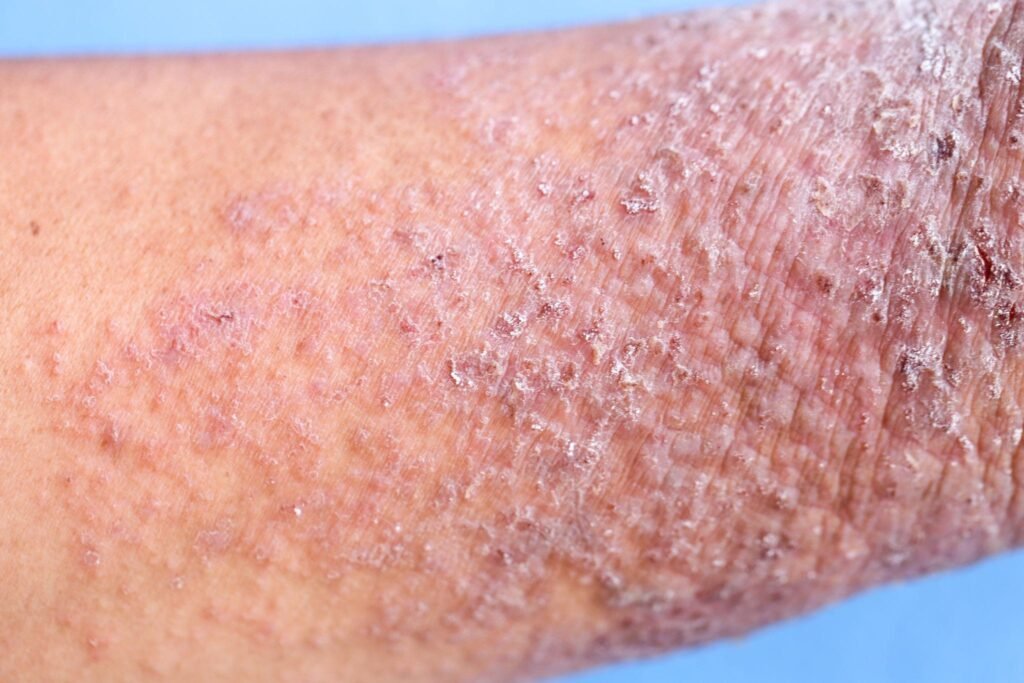

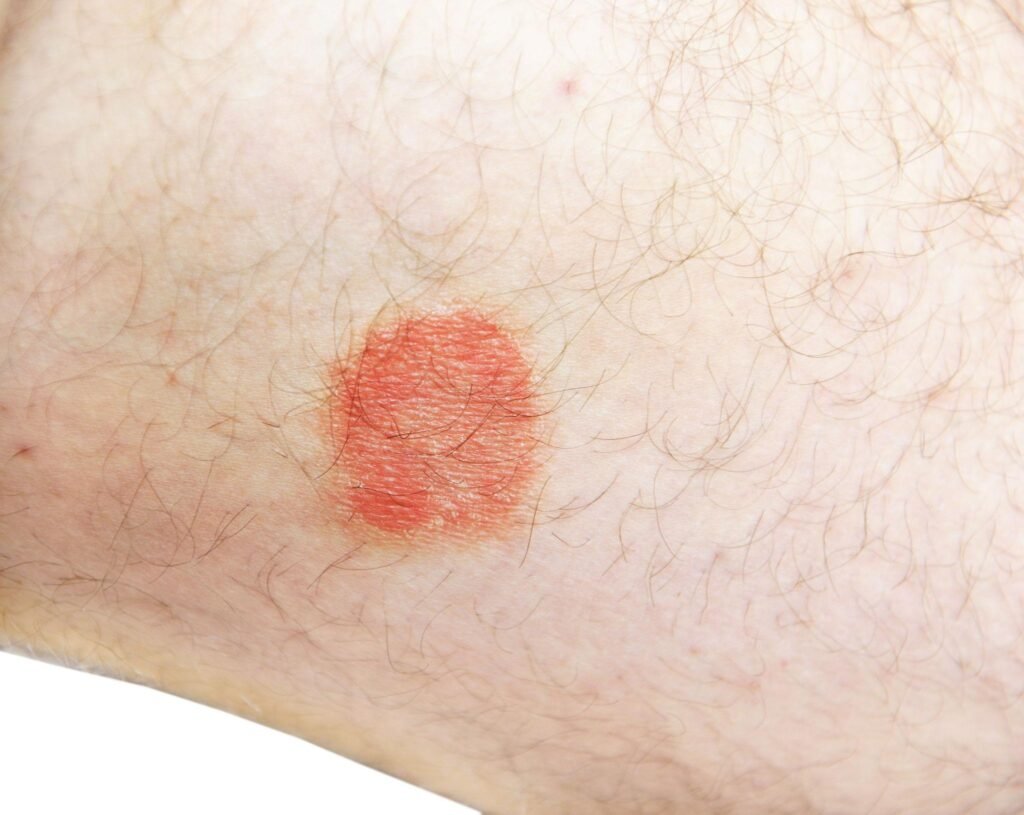
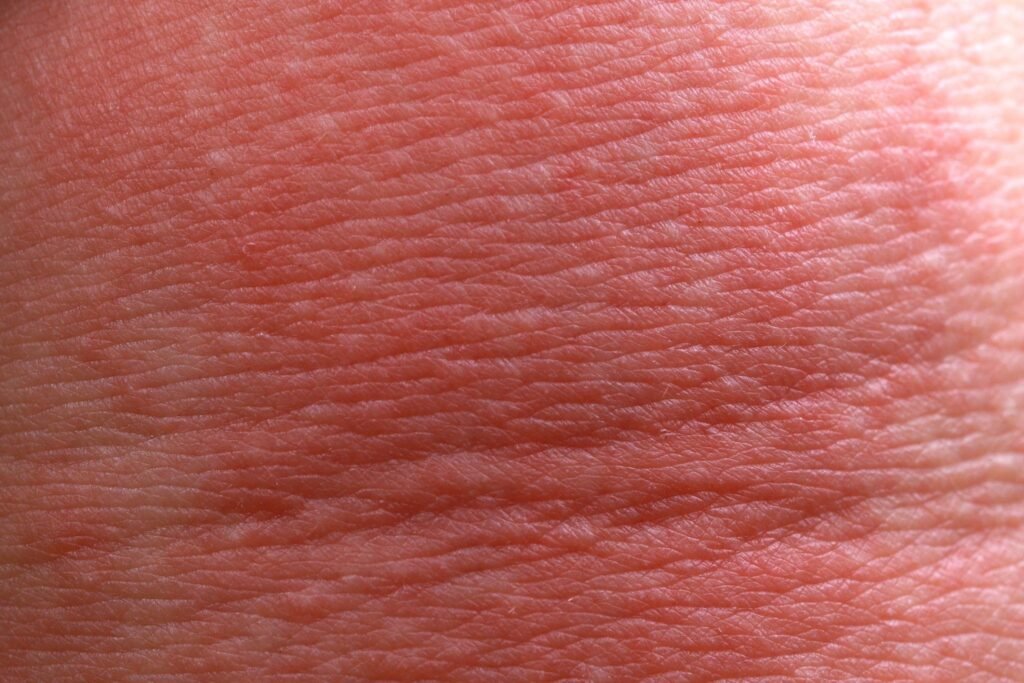
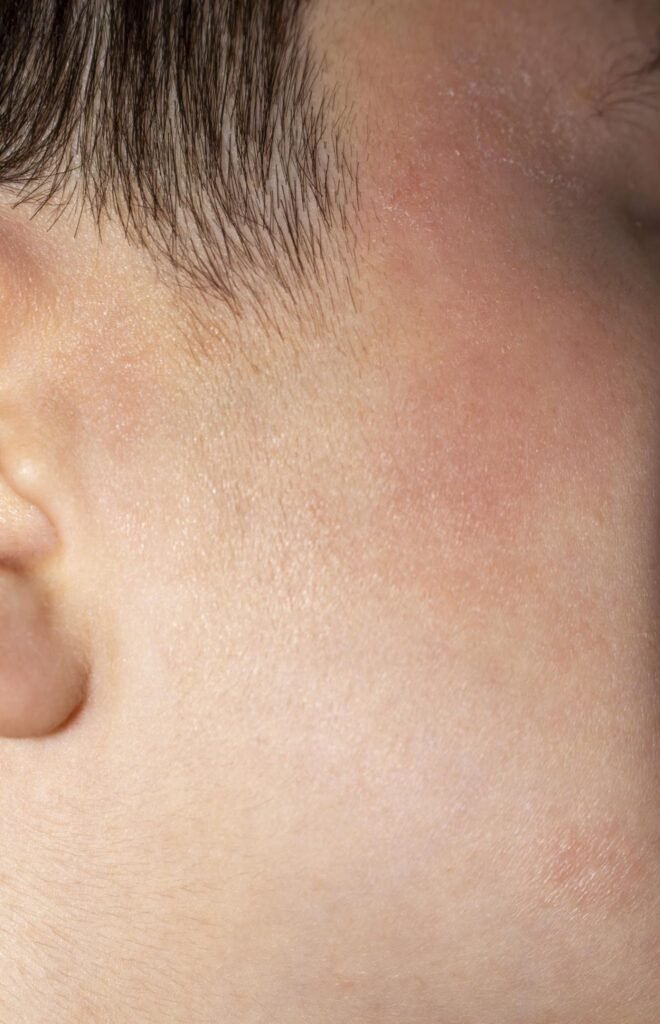
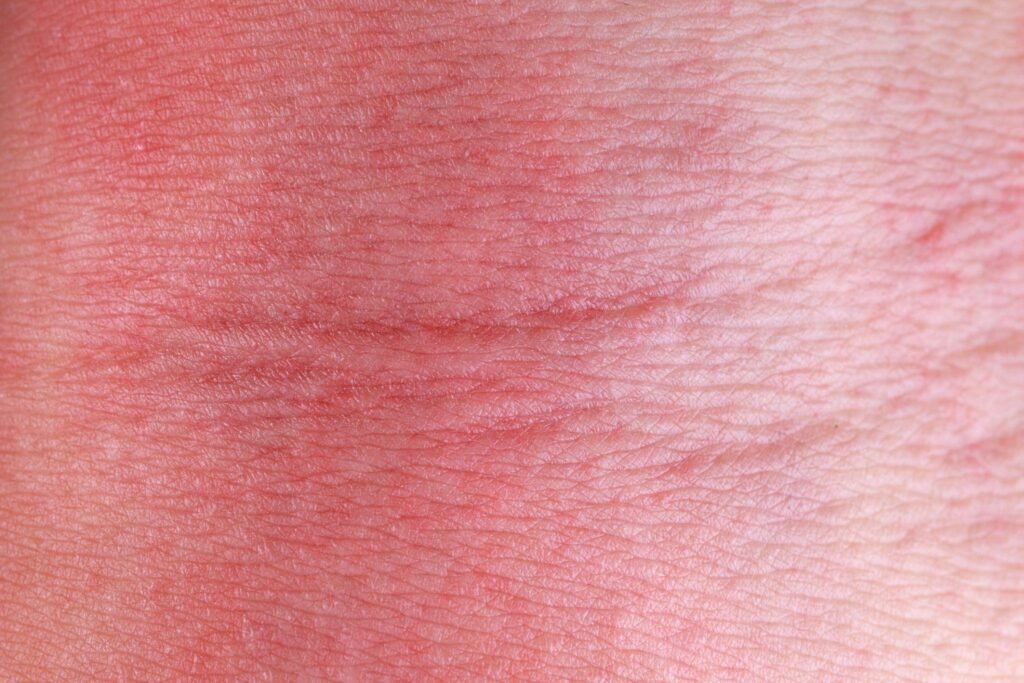
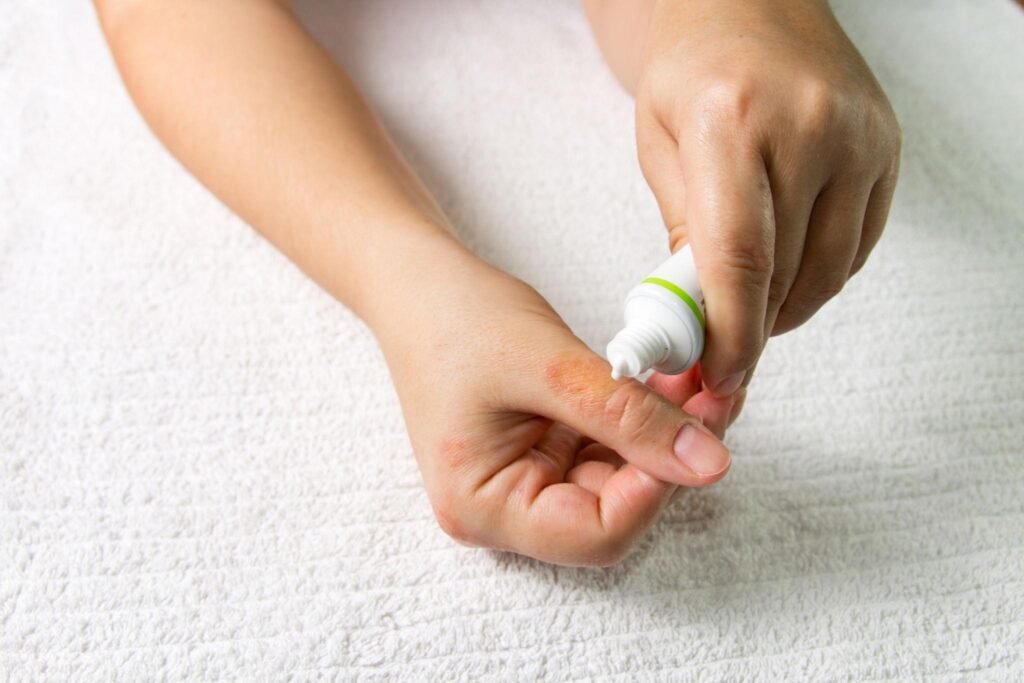
Opzelura (ruxolitinib cream) is a relatively new topical medication used to treat conditions such as atopic dermatitis and vitiligo. While its clinical effectiveness has been widely recognized, many patients are surprised by its high cost.
Understanding the reasons behind its pricing requires looking at both medical innovation and pharmaceutical economics.
Why Opzelura Costs So Much
If you want a full explanation, this guide breaks down why Opzelura cream is so expensive and what affects its pricing:
why Opzelura cream is so expensive
1. Advanced Drug Development
Opzelura contains ruxolitinib, a Janus kinase (JAK) inhibitor that targets immune pathways involved in inflammation. Developing such targeted therapies requires extensive research, long clinical trials, and strict regulatory approval.
2. Patent Protection
Since Opzelura is a patented medication, there are no generic alternatives available yet. This allows manufacturers to set higher prices during the exclusivity period.
3. Specialized Manufacturing
Producing advanced topical immunomodulators involves complex processes, which further increases cost.
What Drives the Price in Practice
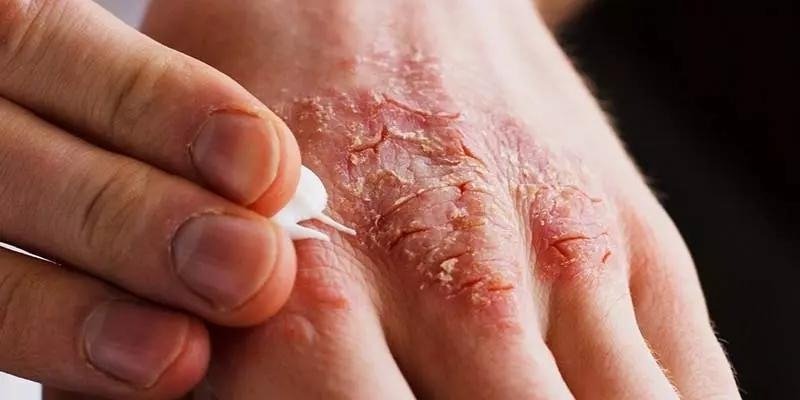
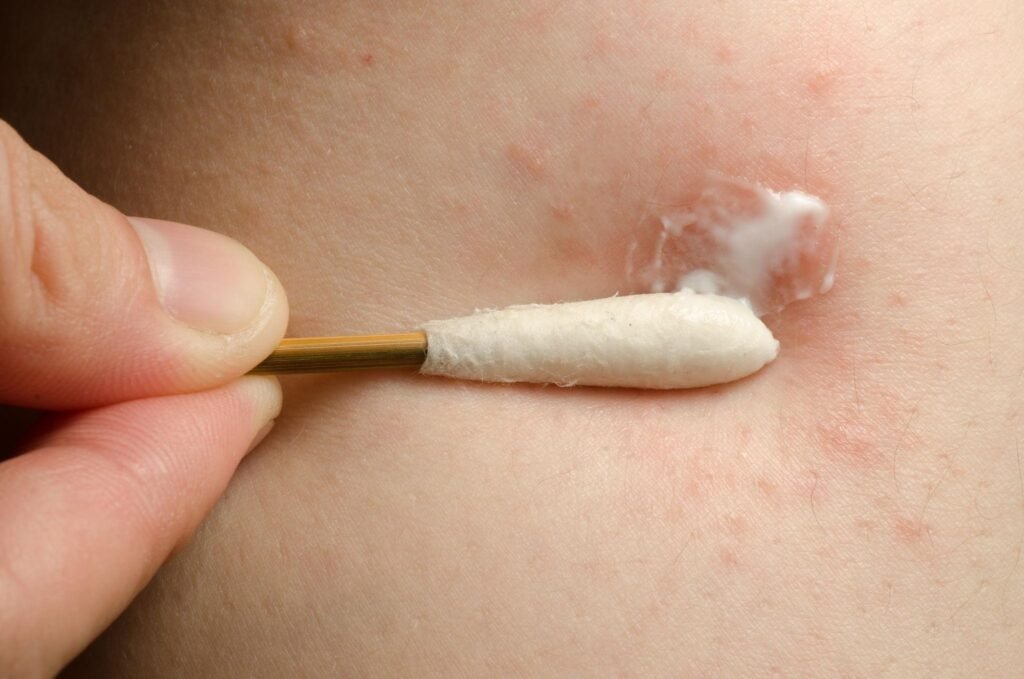
Several real-world factors influence total cost:
- Long-term treatment for chronic conditions
- Larger affected skin areas requiring more product
- Lack of generic competition
Clinical Perspective
For medically reviewed information on how ruxolitinib works and its therapeutic use, see this clinical overview of JAK inhibitor therapy in dermatology:
JAK inhibitor treatment overview
Is It Worth the Cost?
Opzelura offers:
- A non-steroidal alternative
- Targeted mechanism of action
- Effectiveness in difficult-to-treat conditions
For some patients, these benefits justify the higher price compared to traditional treatments.
Conclusion
Opzelura cream is expensive due to innovation costs, patent protection, and specialized production. While the price can be high, it reflects the complexity of modern targeted dermatological therapies.