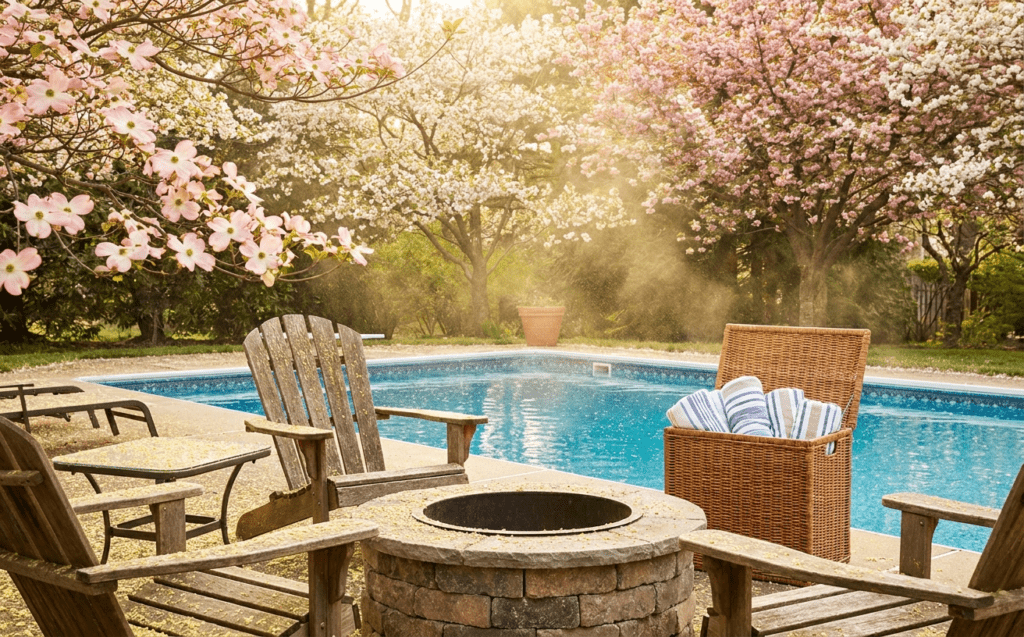

Spring and early summer can make a backyard pool feel both inviting and irritating. The weather is warmer. The kids want to swim. The patio finally feels alive again. But pollen is everywhere.
It sits on chairs. It coats the outdoor table. It floats near the waterline. It sticks to towels, hair, swimsuits, dog fur, and bare feet. For families with seasonal allergies, a pool day can become a mix of fun, sneezing, itchy eyes, and yellow dust on every surface.
A pool cannot remove allergy season from the yard. Trees, grass, wind, and flowers will do what they do. But a better household routine can make the pool area easier to enjoy.
The goal is not perfection. It is reducing the amount of pollen and outdoor debris that follows people from the backyard into the house.
Know Your Backyard’s Allergy Pattern
Every yard has its own allergy rhythm. Some homes get heavy tree pollen in spring. Some deal with grass pollen after mowing. Others see more dust and plant debris after dry, windy days.
Pay attention for a week.
Which days feel worse? Does pollen collect on the same side of the pool? Does the patio table turn yellow by afternoon? Do symptoms get worse after lawn service? Do towels left outside feel dusty?
These observations matter.
Once you understand your yard’s pattern, you can adjust the routine. Maybe morning swims are better than afternoon swims. Maybe towels need covered storage. Maybe the patio needs a quick wipe after windy days.
A good allergy-season pool routine starts with noticing.
Keep Clean Towels Covered
During allergy season, towels should not sit uncovered for hours. They can collect pollen before anyone uses them.
Use a covered basket, storage bench, or indoor shelf near the back door. Bring towels out when needed, then move used towels to a separate hamper.
This small habit helps a lot.
A towel should dry a swimmer, not add another layer of pollen to their face and hair. If someone in the family has strong allergies, keep their towel inside until the last moment.
Used towels should not go back into the clean pile.
That keeps pollen from spreading through the whole towel system.
Create a Rinse-Off Habit
A quick rinse after swimming can help reduce pollen transfer into the house. This does not need to be a full shower every time, especially for kids who jump in and out all afternoon.
A simple rinse station can work.
Use an outdoor shower if you have one, or create a routine where swimmers rinse feet and legs before coming inside. If there is no outdoor rinse option, place a towel and mat by the door and send swimmers straight to the bathroom.
Hair matters too. Pollen can cling to it.
On heavy pollen days, a quick hair rinse before bedtime can make sleep more comfortable for allergy-prone family members.
The goal is to stop the backyard from moving into bedrooms.
Do Not Let Pollen Become the Pool’s Main Story
During allergy season, the pool can start to feel like one more surface collecting outdoor dust. That can make homeowners feel like they are always behind.
Instead of reacting all day, build a simple background routine.
Wipe the main table before use. Store towels under cover. Keep one hamper near the door. Check the waterline and steps before swimming. Avoid leaving pool toys scattered under trees.
For households that want pollen, leaves, and light debris to feel less dominant during heavy outdoor seasons, a pool cleaner robot may belong in a broader spring routine that also includes covered towels, rinse habits, patio wiping, and indoor air control.
The pool should still feel like relief.
It should not become the symbol of allergy season.
Time Swims Around Lawn Work
Freshly cut grass can trigger symptoms for many people. If your family has allergies, avoid scheduling pool time right after mowing when possible.
Let the yard settle.
If lawn service comes in the morning, consider swimming later in the day or the next morning. If you mow yourself, clear the patio afterward and keep grass clippings away from the pool edge.
Also check shoes and feet.
Grass clippings can stick to wet skin and then travel into the pool or house.
A little timing can make the whole day feel easier.
Keep Outdoor Clothes Separate
Pool days often mix swim clothes, play clothes, yard clothes, and towels. During allergy season, that mix can spread pollen indoors.
Create a simple clothing rule.
Outdoor clothes do not go on beds. Swim clothes go to one drying area. Used towels go to one hamper. Shoes stay near the door. Kids do not drop damp, pollen-covered items in bedrooms.
This is especially useful after long backyard afternoons.
The laundry system does not need to be perfect. It just needs to keep outdoor allergens from spreading through the house.
A small rule at the door can save a lot of sneezing later.
Wipe the High-Touch Patio Spots
You do not need to clean the entire patio every day. Focus on high-touch areas.
These include chair arms, dining tables, side tables, railings, outdoor counters, and storage lids. These are the places people touch before touching their face, food, towels, or phones.
Keep a cloth near the back door or outdoor kitchen.
A quick wipe before use can make the space feel fresher.
It also keeps pollen from transferring to cups, snacks, sunglasses, and books.
During allergy season, surface control is more useful than trying to make the whole backyard spotless.
Give Kids an Allergy-Aware Pool Rule
Children may not connect itchy eyes or sneezing with what they do outside. Give them simple rules.
Do not rub your eyes with wet hands.
Use your own towel.
Put used towels in the hamper.
Rinse feet before going inside.
Keep goggles in the bin, not in the grass.
These rules are easy to understand.
They also help kids participate in managing their own comfort.
A pool day should not end with a parent chasing everyone around the house collecting pollen-covered towels and clothes.
Protect the Bedroom
The bedroom is where allergy season can become most annoying. Pollen on hair, pillows, clothes, and blankets can make sleep harder.
After heavy pool days, keep the bedroom protected.
Do not let outdoor towels land on beds. Encourage showers before bedtime. Keep windows closed on high-pollen days if needed. Place dirty swim clothes directly into laundry.
This is not only about cleanliness.
It is about helping family members recover overnight.
A pool day should not make bedtime miserable for someone with seasonal allergies.
Watch Pets Closely
Dogs can carry pollen from the lawn, patio, and pool area into the house. Their fur, paws, and favorite outdoor toys can all collect allergens.
If your dog spends time around the pool, keep a pet towel near the door. Wipe paws before coming inside. Brush outside away from the pool edge if shedding and pollen are both heavy.
Also wash outdoor dog toys when they get dusty or covered in pollen.
Pets are part of the backyard system.
Their routine affects the whole house.
Keep Snacks Covered
Pollen can settle on food quickly, especially on breezy days. Keep snacks covered until people are ready to eat.
Use lidded containers, trays, or indoor staging. Place food away from trees and away from the main pollen-heavy surfaces.
A simple snack setup helps.
Fruit, sandwiches, crackers, and drinks can stay under cover until the swim break. Then everything goes back inside or into sealed containers.
This keeps the patio table from becoming a pollen buffet.
Choose a Daily Reset Time
Allergy season feels worse when pollen cleanup happens randomly all day. Choose one reset time instead.
Maybe it is before lunch. Maybe it is after school. Maybe it is early evening before the family settles outside.
The reset can be short:
- Wipe the main table.
- Check towel storage.
- Clear visible debris.
- Move used towels inside.
- Rinse or wipe the doorway mat.
A predictable reset is easier than constant reaction.
It also keeps the pool area usable without turning the day into cleaning.
Let Some Pollen Be Normal
No routine will remove every trace of pollen from an outdoor pool area. Trying to fight every speck can make the season feel frustrating.
Accept a reasonable amount.
The goal is to reduce discomfort, protect indoor spaces, and keep the pool area pleasant. It is not to make the backyard behave like an indoor room.
Outdoor life comes with weather, trees, grass, wind, and changing surfaces.
A good routine helps your family enjoy the pool anyway.
A Better Allergy Routine Makes Pool Season Easier
Allergy season does not have to ruin pool season. It only needs a smarter system.
Covered towels, rinse habits, patio wipes, laundry rules, lawn timing, pet care, and bedroom protection can make a real difference.
The pool can still be the place where kids cool off, adults unwind, and the family gets outside after a long day.
Pollen may be part of the season, but it does not have to control the whole backyard.
With a few steady habits, the pool area can stay comfortable enough to use, even when the trees are doing their worst.